Asian cities are experiencing rapid urbanisation, rising electricity demand, greater penetration of electric vehicles, and growing stress on urban infrastructure. At the same time, cities are increasingly exposed to climate-related risks such as floods, heatwaves, and storms.
Alongside this, with the recent fossil fuel supply disruptions and price hikes across Asia and the Pacific region, diversification and accelerating the energy transition has become a strategic necessity for the nations. Countries across South Asia, Southeast Asia, and Pacific island nations are accelerating renewable energy deployment to improve energy security and meet climate commitments. While India is targeting 60% non-fossil electricity capacity by 2035, Sri Lanka is aiming for 70% renewable energy by 2030, and several Pacific island nations are looking at nearly 100% renewable energy systems.
With more than half the world’s urban population living in Asia, cities in the region have an opportunity to build energy resilience through integrated urban design that can enable reliable energy systems alongside social, economic, and environmental benefits.
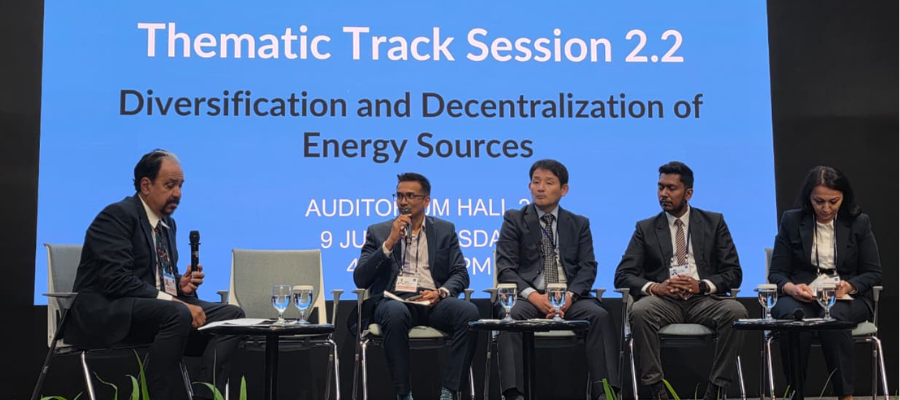
In this context, Nikhil Kolsepatil, Program Coordinator (Energy & Climate), represented ICLEI South Asia and the Asia LEDS Partnership at the Asia Clean Energy Forum 2026, organised by the Asian Development Bank (ADB), in Manila on 9 June 2026. Speaking in Thematic Track 2.2: Diversification and Decentralisation of Energy Sources, he focused on how we can future-proof Asia’s cities against rising energy demands and climate risks by integrating energy resilience into urban design and infrastructure.
Drawing from ICLEI South Asia and Asia LEDS Partnership initiatives, he highlighted key pathways for city-led energy transition and resilience led by city governments:
Leveraging municipal assets for energy resilience: City governments own and manage vast utility infrastructure such as water supply, wastewater management, street lighting, public transit. In Ahmedabad, India, the city is undertaking public bus fleet electrification at-scale, while simultaneously integrating renewables into their on-route charging infrastructure for efficiency. Installation of community and institutional microgrids has reduced the impact of grid failures in dense urban networks. Blending solar, wind, and battery storage is enabling the city to power 24/7 operations of its utility services using renewable energy. In Udaipur, bio-CNG production from waste has led to the diversification of fuels, while floating solar installations in Coimbatore and Captive Solar PV at Water Treatment Facility in Rajkot have helped to reduce emissions and improve energy reliability, affordability, and operational efficiency in the cities.
Protecting critical community infrastructure and emergency systems: Decentralised energy resources are vital for continuous public services and for climate-proofing critical services and emergency systems. Essential urban systems such as water supply, wastewater management, healthcare, mobility, and emergency response infrastructure are highly dependent on uninterrupted energy supply and are increasingly vulnerable to climate hazards. To improve resilience, solar PV systems, battery energy storage systems (BESS) for hospitals, shelters, telecom infrastructure can reduce dependency on grid systems. For example: in Narayanganj, Bangladesh, integrating solar PV with battery storage into municipal healthcare centres have reduced grid dependency, ensuring that healthcare services are not disrupted due to power supply. Uninterrupted power for flood and storm management infrastructure is especially helpful in protecting communities and infrastructure during extreme climate events. Similar efforts are ongoing in upcoming greenfield cities in India, Bhutan and Indonesia for building energy and urban climate resilience from the ground-up.
Data-driven climate risk mapping for energy: Using geospatial and digital tools, spatial data on power infrastructure such as substations and transformers can be overlayed and mapped with flood-prone zones, urban heat islands, and storm exposure. Similarly, data from city flood early warning systems, such as in Tirunelveli, and groundwater recharge solutions to address waterlogging in Rajkot, can inform interventions for climate-protection of power infrastructure. Such data-driven approaches can support localised sustainable energy planning and climate-proofing of energy assets, including flood-proofing substations, elevated electrical equipment, underground cabling in flood-prone zones, heat resilient transformers etc.
Coordinated planning for urban energy systems: There is a need to bridge the urban-energy planning gap through coordination between city governments and power sector utilities. It can support judicious design and syncing city-scale energy networks with urban infrastructure development and growth patterns, while mitigating climate risks such as heatwaves and floods. Digital technologies such as SCADA (Supervisory Control and Data Acquisition) systems, IoT (Internet of Things) devices, Artificial Intelligence tools, and digital twins for city service facilities and infrastructure to model energy needs, can enable real-time decision support to model energy demand, simulate disruptions, and support real-time emergency responses. Data-driven governance frameworks are therefore essential to improve coordination and evidence-based decision-making during energy disruptions and climate emergencies.
The discussion highlighted how stronger collaboration between city governments, utilities, and other stakeholders can unlock opportunities to better leverage financial resources, technical expertise, and enabling policy frameworks for urban energy transition. Such coordination can support integrated infrastructure planning, improve access to climate and energy finance, strengthen institutional capacities, and accelerate the implementation of resilient and decentralised energy solutions at the city level.
ICLEI South Asia remains committed to supporting cities across the region in advancing resilient, low-emission, and inclusive urban energy systems. Through partnerships technical support, knowledge exchange, and capacity building, ICLEI South Asia is working with local governments and stakeholders to accelerate climate-resilient urban development and enable a just and sustainable energy transition.

The Asia LEDSPartnership (ALP) hosted a peer learning webinar series on ‘Sub National Integration in...
READ MORE
The Asia LEDS Partnership (ALP) organised an online peer learning session on the 14th of February, 2...
READ MORE
The Asia LEDS Partnership (ALP) organised a workshop on Clean Logistics for Cities on the 23rd of Fe...
READ MORE
#BlogAlert As Low Emission Development Strategies Global Partnership (LEDS GP) celebrates the pas...
READ MORE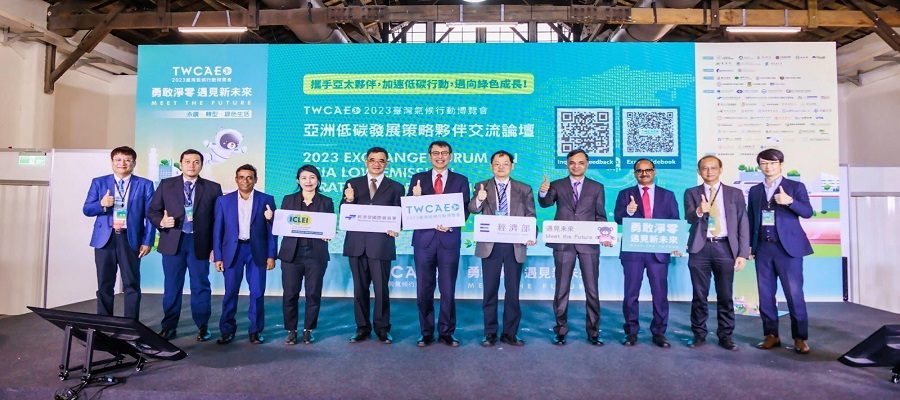
ALP Exchange Forum Supports COP28 Efforts to Facilitate Energy Transition, Climate Actions Towards N...
READ MORE
Circularity of Electric Vehicle Batteries: from Materials and Manufacturing to Recycling Four-par...
READ MORE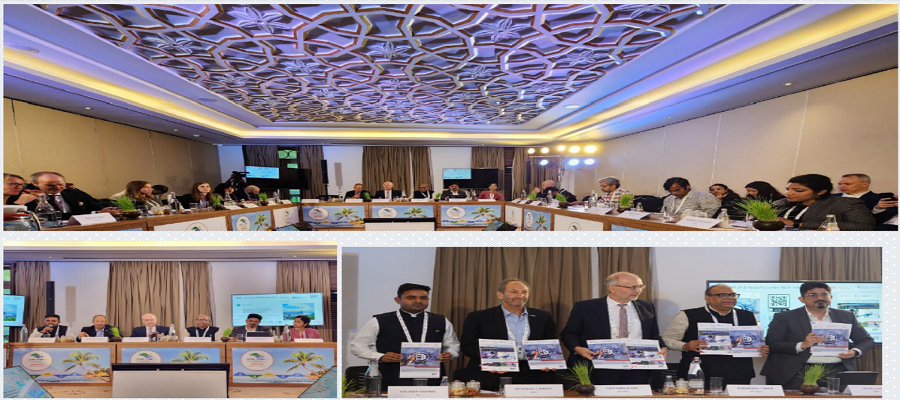
14th Clean Energy Ministerial (CEM14)/8th Mission Innovation (MI-8) Side Event: Accelerating Sustain...
READ MORE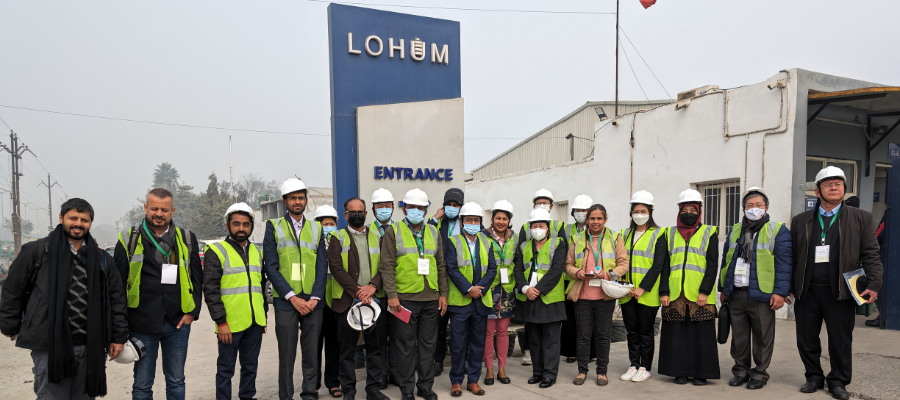
Representatives from 7 Asian countries join the tour’s training sessions at EV manufacturing, recycl...
READ MORE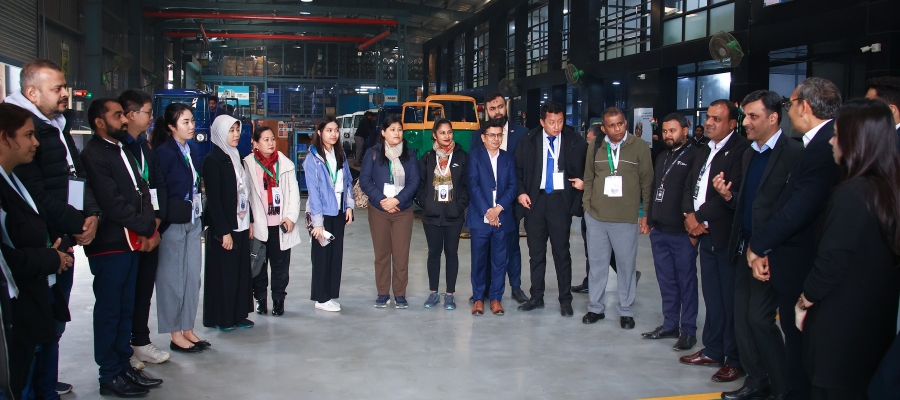
In a significant initiative to foster low-emission and climate-resilient development in Asia, delega...
READ MORE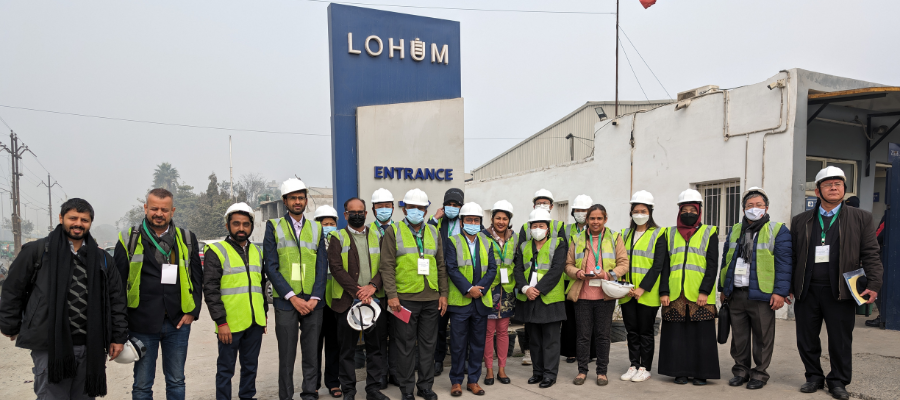
Representatives from 7 Asian countries join the tour’s training sessions at EV manufacturing, recycl...
READ MORE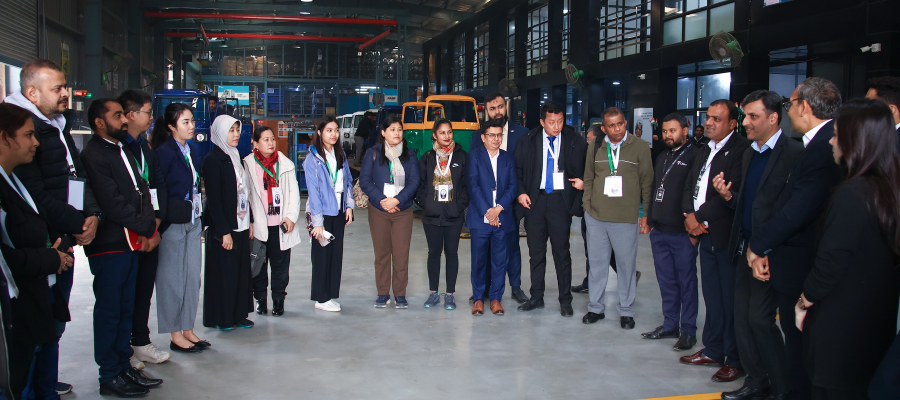
In a significant initiative to foster low-emission and climate-resilient development in Asia, delega...
READ MORE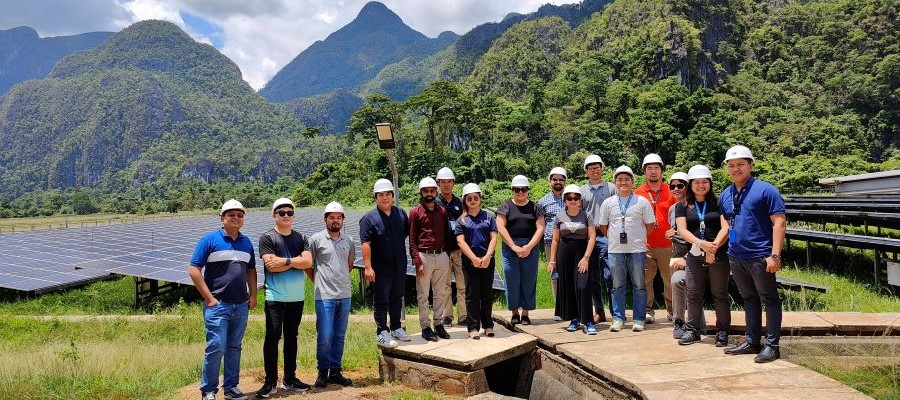
The Republic of the Philippines aims to reduce greenhouse gas (GHG) emissions by 75% by 2030 as comp...
READ MORE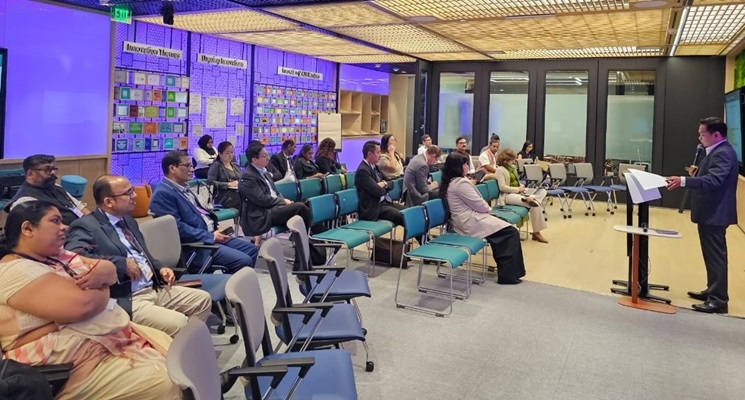
The 16th Regional EST Forum took place on 9 December 2024, at the ADB Headquarters in Manila, Philip...
READ MORE
The Asia LEDS Partnership (ALP) published its report, following the successful Asia LEDS Partnership...
READ MORE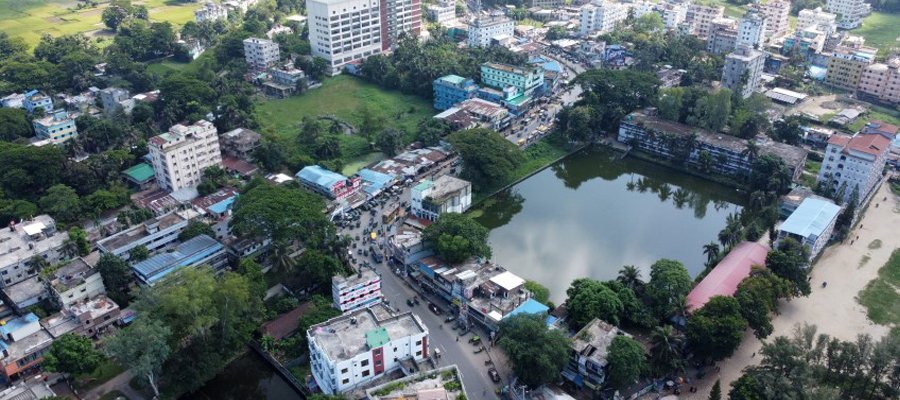
Dr Nurun Nahar, Additional Secretary, Ministry of Environment, Forest and Climate Change, Bangladesh...
READ MORE
Advancing Carbon Market Readiness in the Philippines The Republic of the Philippines aims to meet...
READ MORE
From Commitments to Implementation: Strengthening Climate Data Systems in the Pacific The Pacific...
READ MORE