Dr Nurun Nahar, Additional Secretary, Ministry of Environment, Forest and Climate Change, Bangladesh
Bangladesh has been cited as one of the countries most exposed to climate change, a delta nation where rising seas, erratic monsoons, and intensifying cyclones threaten livelihoods built over generations. But this framing tells only half of the story. The other half is one of resilience. Adaptation, innovation,risk reduction and institutional learning, which has positioned Bangladesh as a country other nations now look to for practical, field-tested climate solutions.
Bangladesh’s approach has never been to treat adaptation and development as separate tracks. The National Adaptation Plan (NAP) 2023-2050, developed by the Ministry of Environment, Forest and Climate Change (MoEFCC), reflects this integration, setting out a long-term roadmap that directly links climate resilience to national development priorities such as agriculture, water resources, urban infrastructure, and public health. This sits alongside broader national frameworks which reframes climate action not merely as risk management but as an economic opportunity, channelling investment towards renewable energy, climate-smart agriculture, energy-water-food nexus, and green industrialisation.
On the other side, our priorities centre on scaling up grid-connected renewable energy, improving energy efficiency in industry and buildings, and beginning the harder work of decarbonising transport, an area where financing and technology gaps still constrain the pace of transition.
Some of our most effective interventions have come from institutions built specifically to bridge policy and implementation. The Climate Change Trust Fund, financed through domestic resources, has supported thousands of community-level adaptation projects, from cyclone shelters and embankments to salinity-tolerant crop varieties for our coastal farmers. This domestic financing model matters; it demonstrates that climate action need not wait entirely on international support, even as we continue to advocate for the climate finance commitments owed to vulnerable countries like ours. Also our Cyclone Preparedness Programme, built over decades in partnership with community volunteers, has dramatically reduced storm-related fatalities compared with earlier decades. It is a model increasingly studied by other coastal and delta nations facing similar exposure.
Looking ahead, our priorities for the implementation of Nationally Determined Contributions (NDC) focus on three areas. First, deepening sector-specific mitigation efforts, particularly in energy and transport, while remaining realistic about the financing and technology gaps that constrain faster transitions. Second, mainstreaming adaptation into local government planning, our city corporations and other local government bodies need stronger technical and financial capacity to lead this work. Third, strengthening the evidence base through better climate vulnerability data, so that resource allocation is better aligned to the actual risks.
If there is one lesson from Bangladesh's experience that may be useful to others in the Asia-Pacific region, it is this: resilience is built locally. Top-down frameworks matter, but they succeed only when paired with genuine investment in local institutions, knowledge, and ownership. Our most durable adaptation successes, from floating agriculture in haor basins (Bangladesh’s seasonally flooded wetlands) to community-based disaster risk reduction, have come from listening to communities that have been adapting to environmental stress for generations and then scaling what already works.
We also strongly believe in regional and South-South cooperation. Many of the climate challenges Bangladesh faces, such as saline intrusion, riverine flooding, urban heat stress, and climate-induced migration, are shared, to varying degrees, across South and Southeast Asia. Platforms like the Asia LEDS Partnership are valuable precisely because they allow practitioners, not just policymakers, to exchange what is working and what isn't, without the formality that sometimes slows down bilateral or multilateral engagement.
To the ALP community, my message is simple: climate vulnerability should not be mistaken for climate passivity. Bangladesh's experience shows that even countries with limited fiscal space can build credible, locally rooted climate institutions, provided there is sustained political commitment and a willingness to learn from implementation failures as much as from successes. We do not have all the answers, and we continue to face significant gaps regarding technology transfer and capacity at the subnational level. But we are committed to sharing what we have learned honestly, including what has not worked.
As Bangladesh moves forward with NDC implementation and long-term resilience planning, we remain open to deeper collaboration with ALP member countries.
Dr Nurun Nahar

Additional Secretary (Development Wing), Ministry of Environment, Forest and Climate Change, Government of Bangladesh
Dr Nurun Nahar is a senior public-sector professional with extensive experience in development planning, public investment management, climate risk screening and resilience-oriented development.
Before her current role, she served at the Bangladesh Planning Commission, including as Project Director of the National Resilience Programme (NRP), where she helped mainstream disaster and climate risk considerations into development planning and investment decision-making. She has also helped develop climate-risk screening approaches and risk-informed planning tools for government development projects.
Dr Nahar holds an academic background from the Japan Advanced Institute of Science and Technology (JAIST), Japan, and her professional interests include public investment management and climate risk screening.

The Asia LEDSPartnership (ALP) hosted a peer learning webinar series on ‘Sub National Integration in...
READ MORE
The Asia LEDS Partnership (ALP) organised an online peer learning session on the 14th of February, 2...
READ MORE
The Asia LEDS Partnership (ALP) organised a workshop on Clean Logistics for Cities on the 23rd of Fe...
READ MORE
#BlogAlert As Low Emission Development Strategies Global Partnership (LEDS GP) celebrates the pas...
READ MORE
ALP Exchange Forum Supports COP28 Efforts to Facilitate Energy Transition, Climate Actions Towards N...
READ MORE
Circularity of Electric Vehicle Batteries: from Materials and Manufacturing to Recycling Four-par...
READ MORE
14th Clean Energy Ministerial (CEM14)/8th Mission Innovation (MI-8) Side Event: Accelerating Sustain...
READ MORE
Representatives from 7 Asian countries join the tour’s training sessions at EV manufacturing, recycl...
READ MORE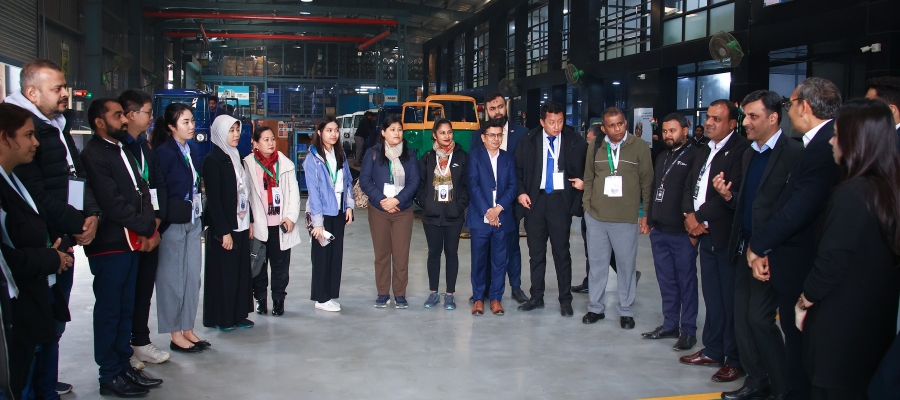
In a significant initiative to foster low-emission and climate-resilient development in Asia, delega...
READ MORE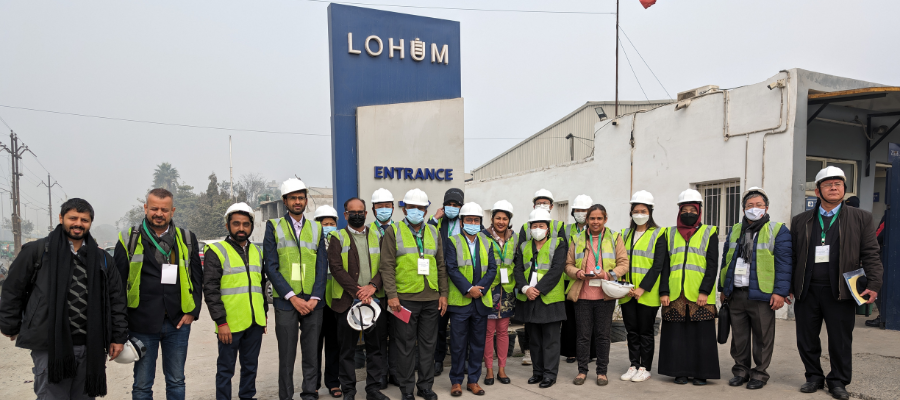
Representatives from 7 Asian countries join the tour’s training sessions at EV manufacturing, recycl...
READ MORE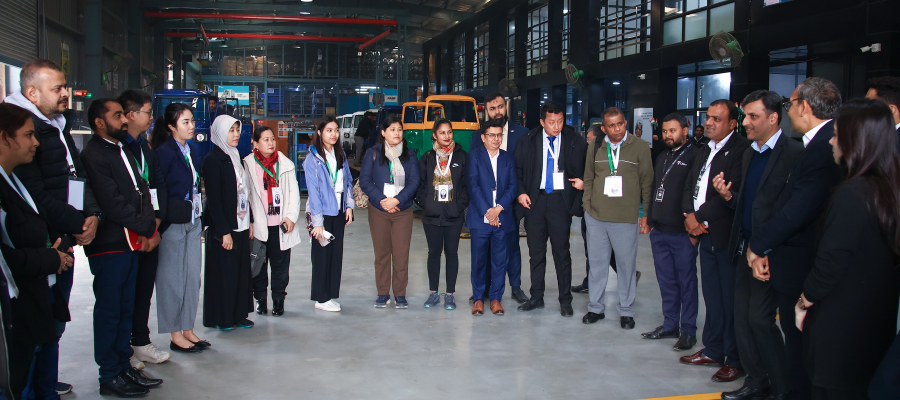
In a significant initiative to foster low-emission and climate-resilient development in Asia, delega...
READ MORE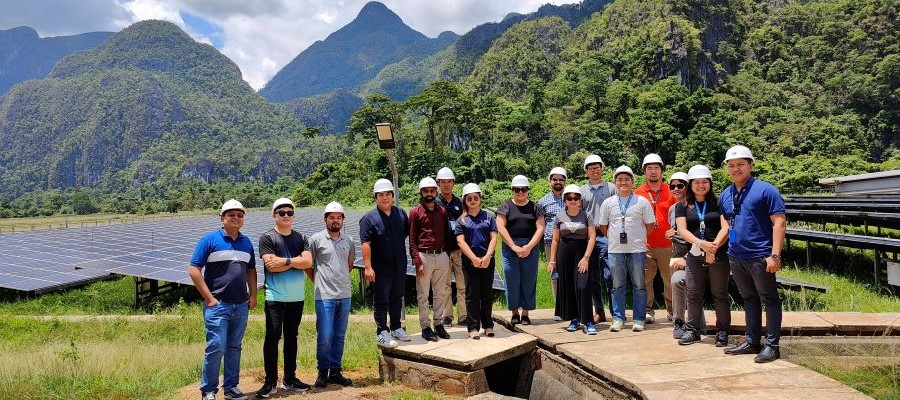
The Republic of the Philippines aims to reduce greenhouse gas (GHG) emissions by 75% by 2030 as comp...
READ MORE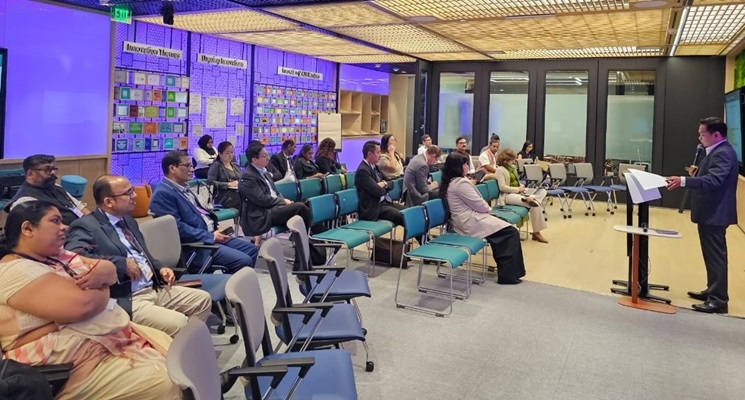
The 16th Regional EST Forum took place on 9 December 2024, at the ADB Headquarters in Manila, Philip...
READ MORE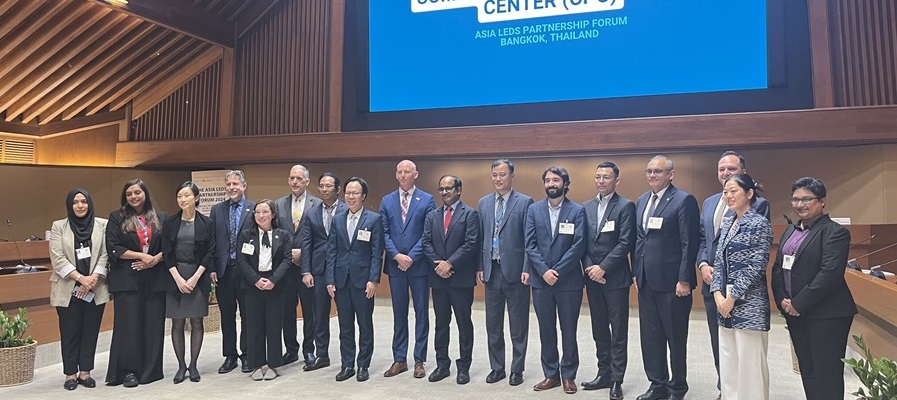
The Asia LEDS Partnership (ALP) published its report, following the successful Asia LEDS Partnership...
READ MORE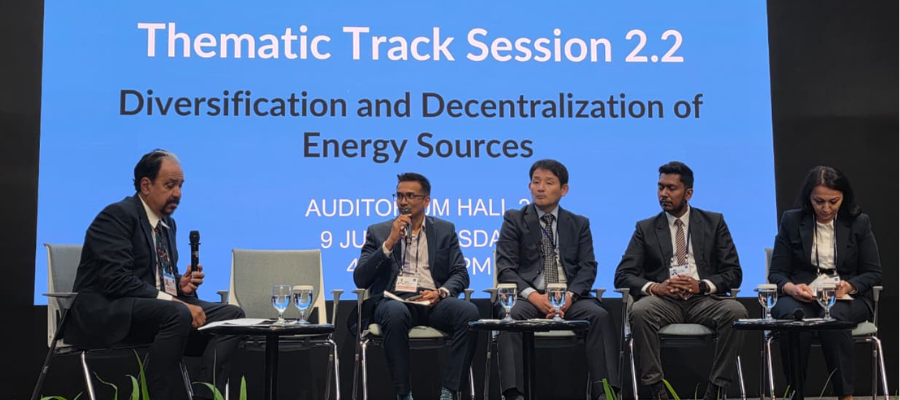
Asian cities are experiencing rapid urbanisation, rising electricity demand, greater penetration of...
READ MORE
Advancing Carbon Market Readiness in the Philippines The Republic of the Philippines aims to meet...
READ MORE
From Commitments to Implementation: Strengthening Climate Data Systems in the Pacific The Pacific...
READ MORE