
Advancing Carbon Market Readiness in the Philippines
The Republic of the Philippines aims to meet its climate commitments with an ambitious 75% reduction in GHG emissions by 2030, relative to its business-as-usual scenario, as outlined in its Nationally Determined Contribution (NDC) under the United Nations Framework Convention on Climate Change (UNFCCC). Against this backdrop, carbon markets have emerged as a key mechanism for the Philippines to achieve its NDC and enable cost-effective emission reductions across its priority sectors, including agriculture, waste, industry, transport, and energy. The Philippines is actively exploring ways to participate in these mechanisms and aims to adopt a suitable carbon trading framework in line with regional and national climate goals. This includes strengthening the legislative, institutional, technical, and market infrastructure needed to ensure credible, transparent, and effective carbon market participation.
To support these efforts, the Global Climate Action Partnership (GCAP) and the Asia LEDS Partnership (ALP) provided technical assistance and targeted capacity building to the Philippines’ Department of Energy (DOE) through a two-part virtual training series on Carbon Markets and Article 6, on 31st July and 7th August 2026. Over 20 government officials from the DOE’s Task Force on Carbon Credit (TFECC) attended the training, gaining practical insights into the design, governance, implementation, and operational considerations associated with carbon markets and international carbon market cooperation.
As a regional platform, ALP connects governments, practitioners, and knowledge partners across the Asia-Pacific region to foster collaboration and accelerate low-emissions development. It creates opportunities for countries to exchange experiences, learn from peers, access relevant expertise, and identify practical solutions to common challenges. Through knowledge sharing, regional dialogue, capacity building, and targeted technical support, ALP helps countries strengthen their policies, institutions, and implementation of climate action.
During the first session, participants unpacked the fundamentals of the carbon market and Article 6 of the Paris Agreement, including an introduction to carbon pricing, major compliance schemes such as the European Union Emission Trading System (EU ETS), Japan’s Joint Crediting Mechanism (JCM), and India’s Carbon Credit Trading Scheme (CCTS) and rules for corresponding adjustment. The session delved into core pillars of carbon integrity, essential for proving legitimacy and developing carbon assets and ensuring long-term project bankability and impact. A snapshot of compliance and voluntary carbon markets and the direction of their progress was discussed. This strengthened participant’s understanding of carbon markets and enhanced their technical capacity to assess different carbon trading systems and operational requirements for designing, adopting, and implementing such mechanisms.
The second session introduced participants to carbon market mechanisms and policies in ASEAN countries, including Thailand’s Thailang Voluntary Emission Reduction (T-VER) domestic offset programme, Singapore’s carbon tax, and Indonesia’s EDXCarbon exchange. It decoded best practices from regional carbon trading systems and challenges that countries face in preparing and operationalising their domestic and ASEAN carbon markets. Relevant case studies of Article 6 projects in ASEAN countries, along with key insights from global best practices and international initiatives, were showcased, which highlighted transferable learnings and implications for the Philippines. The training also included a deep dive into the Philippines’ domestic policies, legal frameworks, and market infrastructure, highlighting its potential to generate Article 6 projects and to become a genuine regional supplier.
ALP looks forward to continuing its engagement with the Philippines’ Department of Energy and other stakeholders as the country advances its carbon market and broader climate agenda. Through continued regional exchange, technical cooperation, and knowledge sharing, ALP remains committed to supporting the Philippines and the wider Asia-Pacific region in translating climate ambition into credible, effective, and inclusive low-carbon development pathways.

The Asia LEDSPartnership (ALP) hosted a peer learning webinar series on ‘Sub National Integration in...
READ MORE
The Asia LEDS Partnership (ALP) organised an online peer learning session on the 14th of February, 2...
READ MORE
The Asia LEDS Partnership (ALP) organised a workshop on Clean Logistics for Cities on the 23rd of Fe...
READ MORE
#BlogAlert As Low Emission Development Strategies Global Partnership (LEDS GP) celebrates the pas...
READ MORE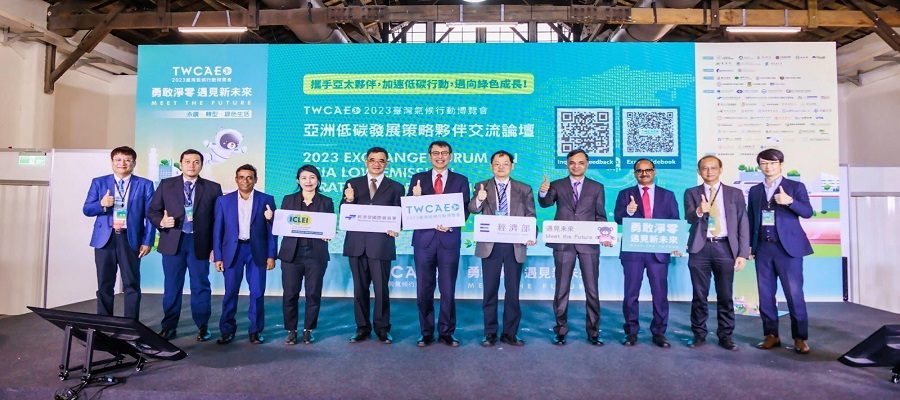
ALP Exchange Forum Supports COP28 Efforts to Facilitate Energy Transition, Climate Actions Towards N...
READ MORE
Circularity of Electric Vehicle Batteries: from Materials and Manufacturing to Recycling Four-par...
READ MORE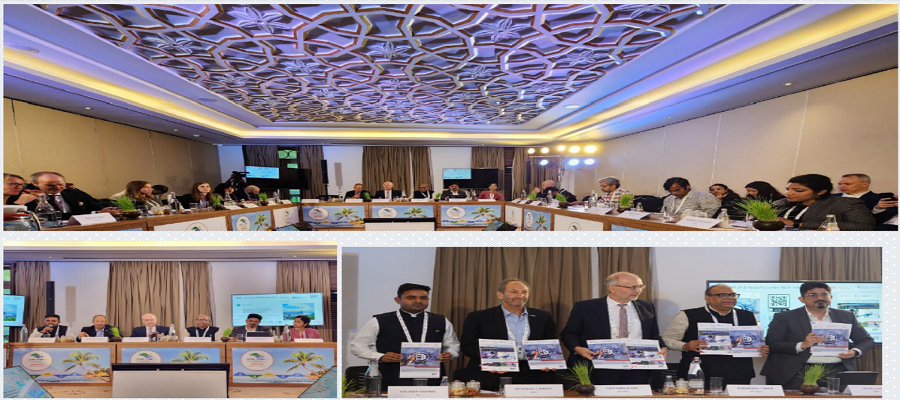
14th Clean Energy Ministerial (CEM14)/8th Mission Innovation (MI-8) Side Event: Accelerating Sustain...
READ MORE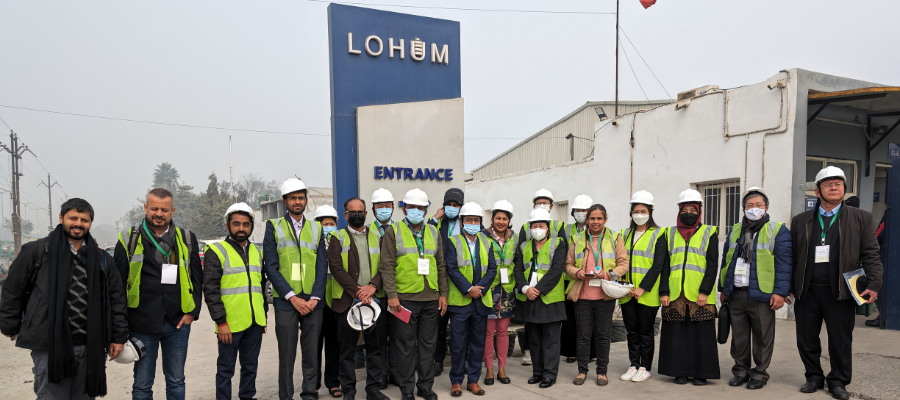
Representatives from 7 Asian countries join the tour’s training sessions at EV manufacturing, recycl...
READ MORE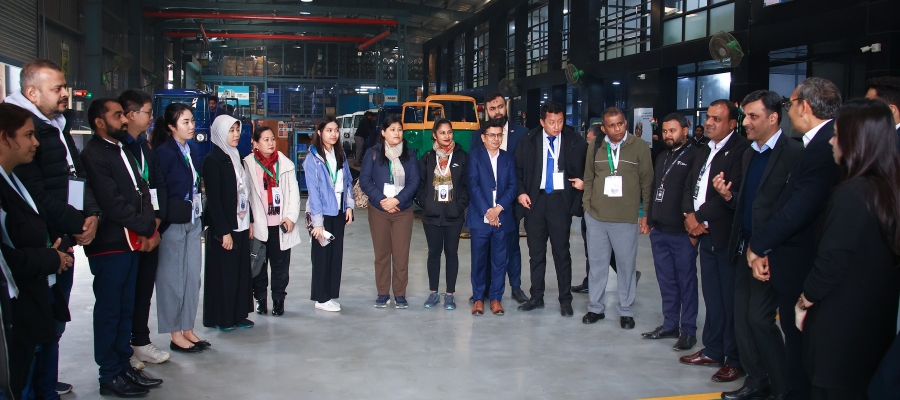
In a significant initiative to foster low-emission and climate-resilient development in Asia, delega...
READ MORE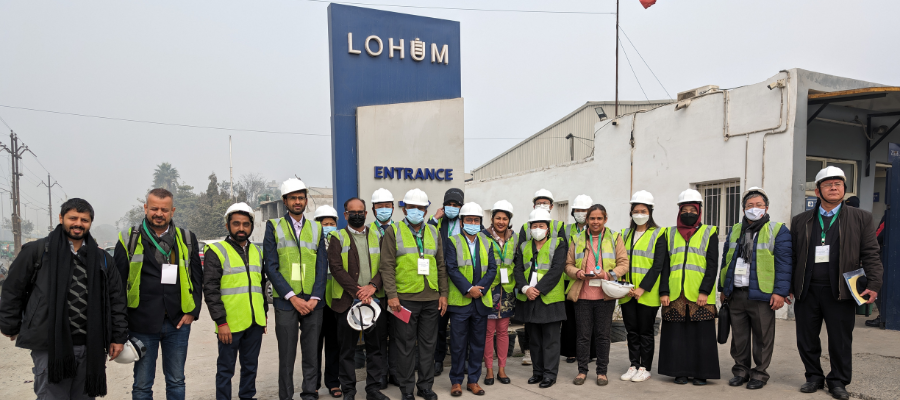
Representatives from 7 Asian countries join the tour’s training sessions at EV manufacturing, recycl...
READ MORE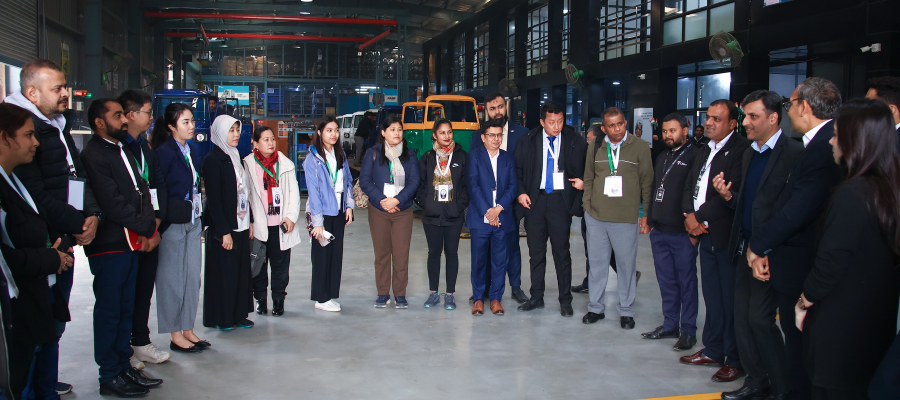
In a significant initiative to foster low-emission and climate-resilient development in Asia, delega...
READ MORE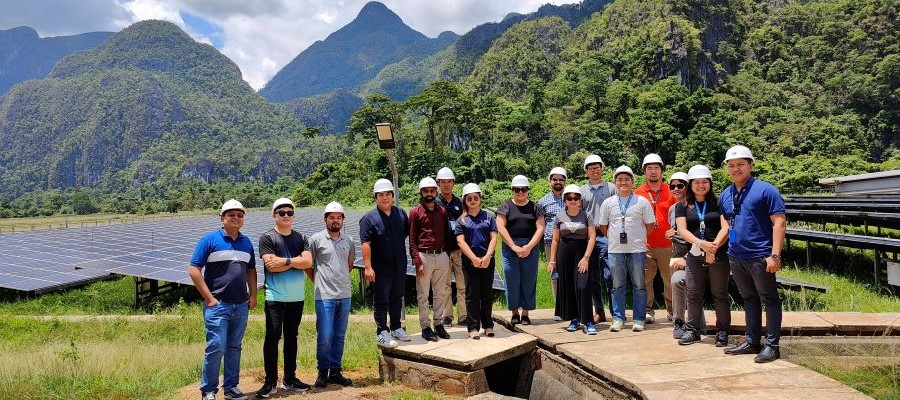
The Republic of the Philippines aims to reduce greenhouse gas (GHG) emissions by 75% by 2030 as comp...
READ MORE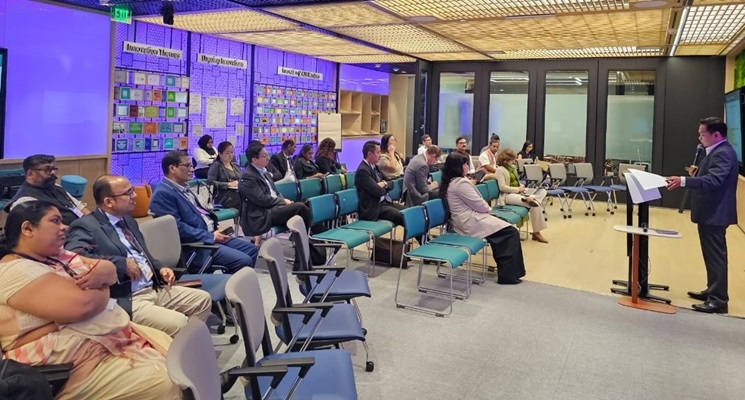
The 16th Regional EST Forum took place on 9 December 2024, at the ADB Headquarters in Manila, Philip...
READ MORE
The Asia LEDS Partnership (ALP) published its report, following the successful Asia LEDS Partnership...
READ MORE
Asian cities are experiencing rapid urbanisation, rising electricity demand, greater penetration of...
READ MORE
Dr Nurun Nahar, Additional Secretary, Ministry of Environment, Forest and Climate Change, Bangladesh...
READ MORE
From Commitments to Implementation: Strengthening Climate Data Systems in the Pacific The Pacific...
READ MORE